When it comes to purchasing goods and services on darknet markets, one question that often arises is whether these marketplaces charge transaction fees. While darknet markets like Dream may charge for their services, these fees are typically necessary to maintain a secure and reliable platform for users to conduct illicit transactions. In conclusion, vendors on darknet markets like Dream Market are typically required to pay fees to list their products or services. In conclusion, darknet markets like Dream do charge vendors fees, which vary based on several factors.
- In some cases, the site admins themselves decide to shut their marketplaces down.
- No, darknet markets like Dream can only be accessed using the Tor network.
- During the Hansa market takeover in early 2018, the Netherlands National High Tech Crime Unit (NHTCU) setup a sting named Operation Bayonet.
- This is key to the current study, which aims to directly test whether patterns in vendor displacement are influenced by the behaviours of other vendors.
Are There Any Hidden Fees On Darknet Markets?
Authorities confiscated millions in crypto, luxury cars, phones and drugs during simultaneous raids. They seized Archetyp’s servers in the Netherlands, arrested the alleged 30 year old German admin in Barcelona, and targeted high volume vendors. Active from 2020 until June 2025, it amassed 600,000 registered users and 17,000+ listings. Archetyp was Europe’s longest running and bloodiest market in the 2020s.
How Darknet Markets Charge For Services
Vendors play a crucial role in darknet markets as they offer a wide range of products and services. Dream, which is one of the most popular darknet markets, charges a vendor fee of 4% of the vendor’s sales. These markets allow vendors to sell illegal goods and services, such as drugs, weapons, and stolen data, to buyers who value their anonymity. The short answer is yes, darknet markets like Dream do charge for transactions. Before we dive into the specifics of whether darknet markets like Dream charge for transactions, it’s important to understand how these markets operate. In conclusion, darknet markets like Dream do charge for transactions, typically ranging from 2-5% of the total purchase price.
Awareness of the fees can help users make informed decisions and avoid unexpected costs during their transactions. Darknet markets have gained notoriety for facilitating the exchange of illicit goods and services. This data suggests that while vendors spread offers more evenly across the markets, buyers showed a clear preference for Mega. Then, clusters were identified as specific dark marketplaces, using transaction data collected by Chainalysis Inc. (the technique employed for the identification is similar to the one described in20). Due to the crackdown on illegal drug marketplaces on the deep web, there are now fears that Dream Market and newer drug marketplaces are now compromised by authorities.
These markets use cryptocurrencies and encryption to hide, but law enforcement’s growing technical skills have repeatedly broken them open. These fees are typically a small percentage of the total sale price and are used to cover the costs of running the market. It has gained a lot of users and has become a popular marketplace due to its focus on security. Over the past year, several major marketplaces with total sales of over $1 billion have shuttered in this way. The past few months has seen a surge of darknet market closures, but few of them have been the result of takedowns or exit scams.
What Happens If A Transaction Goes Wrong?
To maintain a functioning marketplace, vendors typically pay fees to the platform operators. Vendors, their products, and transactions often leave a record, providing mass digital traces across illicit marketplaces and large populations of vendors as they unfold. When it comes to buying and selling goods on the darknet, there are a variety of different marketplaces that vendors can choose from.
Orders can be payed directly from your own wallet without having to deposit on the market first. Cypher Market is a walletless escrow and FE market with no traditional deposit wallets. Berlusconi Market, a market that shot up in popularity through 2019, ceased operations after three of the market’s admins were arrested in Italy.
How Do Vendors Pay Market Fees?
Silk Road, launched in early 2011, was the world’s first major Tor based marketplace. Buyers can purchase a range of digital goods and services, which include illicit drugs, software and malware, and services related to fraud. This fee is typically a small percentage of the product’s sale price and is used to cover the costs of maintaining the market’s product database. Whether you need highly potent Cannabis buds or prescription drugs like Ritalin, Tochka market should be one of your go-to sites. It was founded in 2013 and has been a highly regarded name in the darknet trading circles since then.
Why Do Darknet Markets Like Dream Charge Vendors Fees?
For example, the FBI has noted that criminals on Tor routinely reuse usernames or expose device details, allowing investigators to trace them. Unlike the deep web private or unindexed pages, the dark web specifically refers to sites requiring special software Tor to access. This service typically incurs a small fee, which is usually a percentage of the total sale price. Once the buyer confirms that they have received their order and are satisfied with it, the market releases the payment to the seller. When a buyer uses the escrow service, they send their payment to the market, which holds it until the buyer receives their order. This commission is used to cover the costs of running the market, such as server maintenance and security.
Why Do Darknet Markets Charge Fees?

Some criminal internet forums such as the defunct Tor Carding Forum and the Russian Anonymous Marketplace function as markets with trusted members providing escrow services, and users engaging in off-forum messaging. By 2015, some of the most popular vendors had their own dedicated online shops separate from the large marketplaces. Following Operation Onymous, there was a substantial increase in PGP support from vendors, with PGP use on two marketplaces near 90%. Uptime and comparison services provide sources of information about active markets as well as suspected scams and law enforcement activity. In 2021, authorities took down the dark web marketplace DarkMarket, along with arresting the Australian man who was believed to be the operator of the website.
Exercise Caution When Accessing Dark Web Marketplaces
Additionally, some markets may offer discounts or waivers on fees for vendors who meet certain criteria, such as having a high rating or a long history of sales on the market. Darknet markets like Dream charge vendors fees as a way to generate revenue and cover the costs of running the market. Darknet markets like Dream make money by charging vendors fees to sell their goods and services on the platform.
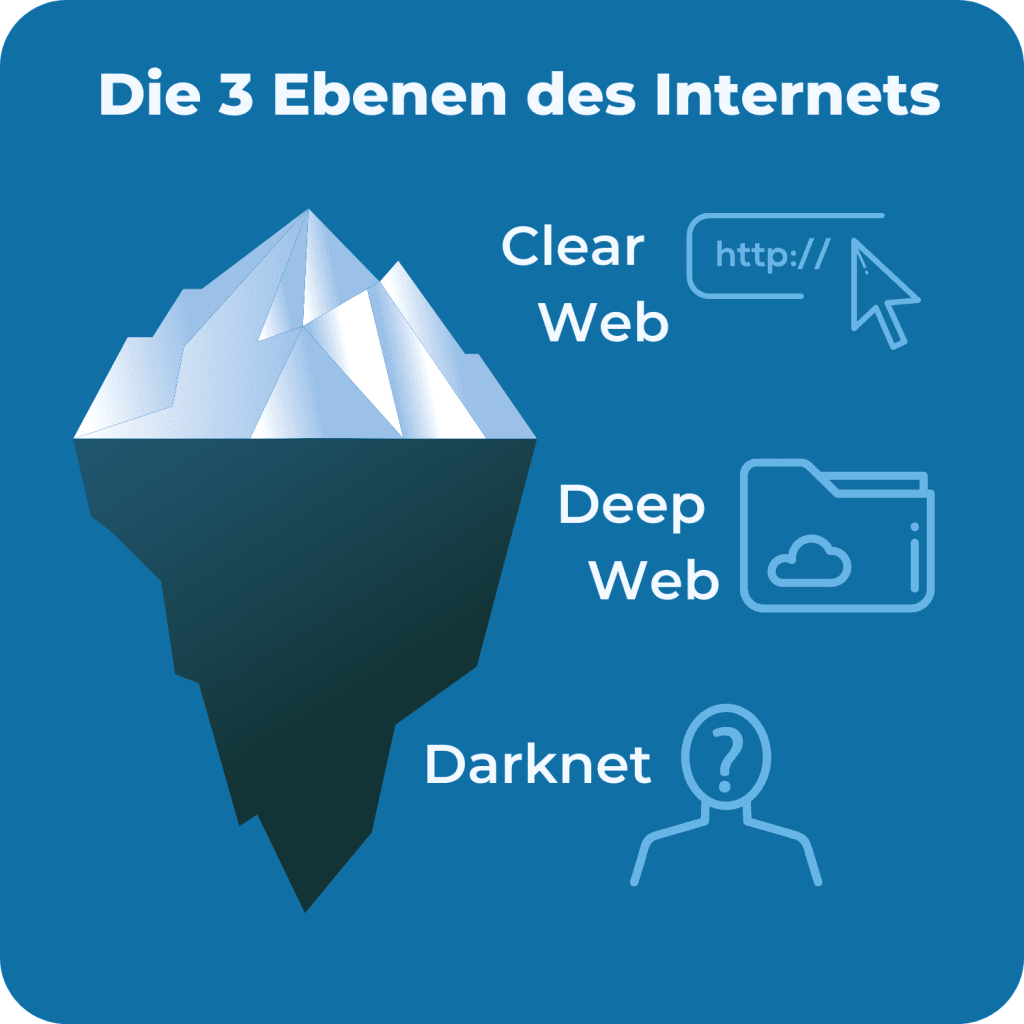
Darknet markets operate on the dark web, a hidden part of the internet that requires special software, such as Tor, to access. Unfortunately, it was short–lived, and by 2012, a postal inspector told law enforcement about strange activity on parcel sorters and the increase of drugs being sent through the mail. One such marketplace, known as Dream Market, has garnered attention for its role in providing a platform for various illegal activities. Darknet markets like Dream play a significant role in the hidden economy of the dark web, providing a platform for illicit trade while maintaining a certain level of anonymity and security. Like other dark web markets, it was accessible only on anonymity browsers like Tor and I2P.
Types Of Charges In Darknet Markets
We can see the name of a website, a number of flying points, an email domain on which account is registered, from when it is listed on the market and sometimes even a name of an account owner. We are indebted to the representatives of Italian law enforcement agencies Polizia Postale and Carabinieri for sharing their expert views in data collection. That meant DeepDotWeb received a referral fee for 23.6 percent of all orders made on AlphaBay, according to the government. This service involves helping to resolve disputes between buyers and sellers, typically through the use of an arbitration process. These services can include things like account verification, dispute resolution, and custom orders. Dream Market is known for its user-friendly interface and its large and active community of users.
This means that if a vendor sells a product for 0.1 BTC, they will need to pay Dream Market a fee of 0.005 BTC (0.1 BTC x 5%). But both of those sites likely saw fewer users and were active when bitcoin was significantly less valuable than it is now. Though the drug transactions were limited to Russia and its geographic neighbors, the cyber and money laundering tools were available to anyone in the world willing to pay. Vendors on Hydra also offered services such as “Hacking for Hire,” “Ransomware as a Service” (“RaaS”), and a myriad of money laundering features. This anonymity attracts individuals seeking to engage in various illegal activities, including drug trafficking, hacking, counterfeit goods, and more. It operates on encrypted networks and provides users with a cloak of anonymity through specialized software such as Tor.