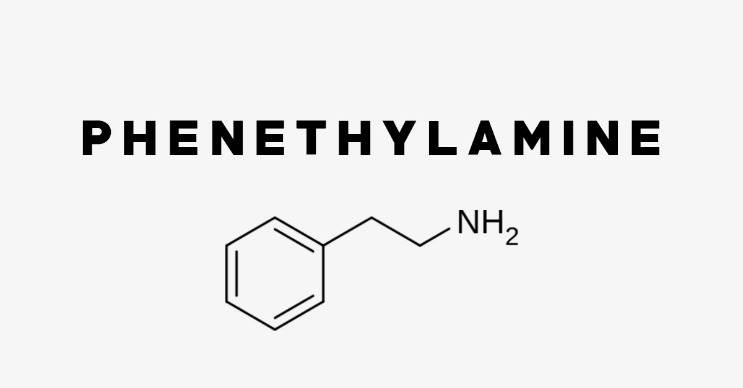
Intriguingly, PEA can serve as a substrate for the synthesis of other drugs, such as sulfonamides that are being used as antimicrobials (Rehman et al., 2012). Altogether, PEA appears to have a number of positive effects on human health without the risks of its structural relatives. PEA is known under a variety of names including β-phenylethylamine, β-phenethylamine, and phenylethylamine.

Chemical Route
Although there have been some promising results in the use of phenylethylamine derivatives for depression and attention deficit hyperactivity disorder, these effects have not been replicated in clinical trials. A substantial amount of the drug is believed to be found within the brain and liver. It is a very strong designer drug and with very strong effects to the body. There have been no published studies concerning the long-term use of phenethylamine, particularly when it is taken in its pure form.
2C-iBu has shown a greater separation between anti-inflammatory effects and psychedelic-like effects in animals than other 2C drugs and is being investigated for possible use as a pharmaceutical drug. Various 2C drugs show potent anti-inflammatory effects mediated by serotonin 5-HT2A receptor activation. Similar reinforcing effects in animals have been observed for NBOMe analogues of 2C drugs, including 25B-NBOMe, 25D-NBOMe, 25E-NBOMe, 25H-NBOMe, and 25N-NBOMe.
Optimal Dosage Of Phenylethylamine (PEA)
Described below is a procedure we have found useful for our studies, but it is not an animal model of hallucinogenic drug action; rather, it is a model of stimulus similarity. However, many of these agents displayed higher affinity/potency at other receptors or targets. This provided one of the first opportunities for us to examine the binding of centrally-acting arylalkylamines at brain receptors rather than at peripheral fundus 5-HT receptors.
Therefore, in order to fill this gap, the aim of the present work was to evaluate the genotoxicity by treating TK6 cells with 2C-H, 2C-I, 2C-B, 25B-NBOMe, and the popular 3,4-Methylenedioxymethylamphetamine (MDMA). Assessment of the acute effects of 2C-B vs psilocybin on subjective experience, mood and cognition. Unexpected Serotonin Syndrome, Epileptic Seizures, and Cerebral Edema Following 2,5‐dimethoxy‐4‐bromophenethylamine Ingestion.
In closing, our journey through the world of phenylethylamine reveals a molecule that is as complex as it is fascinating. From depression and ADHD to Parkinson’s disease and beyond, the therapeutic potential of PEA offers hope for those seeking alternative or complementary treatments. The potential of PEA in improving mental health and cognitive performance is an exciting frontier in neuroscience research. From its mood-enhancing properties to its potential cognitive benefits, PEA stands out as a fascinating subject in the realm of neuroscience and mental health. There’s also growing interest in understanding how PEA interacts with other neurotransmitter systems and how it might be combined with other compounds to enhance its therapeutic potential.
Potential Drug Interactions With Phenylethylamine
Other phenethylamines such as PMMA, first synthesized in 1938, are also sold in the drug market as a substitute for ‘ecstasy’. Simple variations on the mescaline molecule (a natural phenylethylamine) led to the synthesis of powerful hallucinogenic substances, e.g. 4-bromo-2,5-dimethoxyphenethylamine (2C-B), synthesized by Shulgin in 1974. You are encouraged to report negative side effects of prescription drugs to the FDA. Taking phenethylamine along with meperidine (Demerol) might cause too much serotonin in the brain and serious side effects including heart problems, shivering, and anxiety.
Trace Amine Receptors
Conversely, many phenethylamine derivatives, particularly those resembling amphetamines—such as ADHD medications, methamphetamine, and MDMA—are classified as controlled substances. The United Nations Office on Drugs and Crime classifies phenethylamines as a group of compounds with recognized psychoactive and stimulant properties, which includes amphetamine, methamphetamine, and MDMA. The consumption of drugs and supplements containing phenethylamine can result in serious physical and mental health issues, including addiction, overdose, and long-lasting psychological problems.
Cyclized Phenethylamines
The role of phenethylamine in schizophrenia is still unclear. However, there is insufficient evidence to claim that phenethylamine improves mood . Increasing these neurotransmitters in certain brain areas may, in theory, promote a positive mood and lead to a greater sense of well-being. There is insufficient evidence to support the use of phenethylamine for any of the below-listed uses. The following purported uses are only supported by limited, low-quality clinical studies.
Phenylethylamine Vs Amphetamine: A Comparison
Do not take phenethylamine if you are taking pentazocine (Talwin). This might cause serious side effects including heart problems, shivering, and anxiety. Taking phenethylamine along with pentazocine (Talwin) might increase serotonin too much. Phenethylamine increases a brain chemical called serotonin.
17 Trace Amine-Associated Receptors (TAAR)
From the structural point of view, 2-phenethylamines present a vast therapeutic chemical space, not just as is, but considering different substitutions, functional group decorations, ring enclosures or heteroaromatic analogues. Additionally, in addition to their prominent therapeutic applications, it is worth mentioning the recreational use of a long list of alkaloids incorporating the aforementioned moiety (“designer drugs”) , responsible for drug abuse-related conditions 3,4,5,6,7,8. Latest reports in discovering new bioactive 2-phenethylamines by research groups are covered too. A concise review covering updated presence and role of 2-phenethylamines in medicinal chemistry is presented. Ling, L.H., Marchant, C., Buckley, N. A., Prior, M., Irvine, R.J., ‘Poisoning with the recreational drug paramethoxyamphetamine (‘ death ’)’, Medical Journal of Australia, 2001, 174, ; De Letter, E.A., Coopman, V.A., Cordonnier, J.A. And Thomas S. H., ‘Clinical toxicology of newer recreational drugs’, Clinical Toxicology, 2011, 49,
In addition, DEA and HHS know of no clinical studies or petitioners claiming an accepted medical use in the United States. (2) FDA has not approved a marketing application for a drug product containing DOI or DOC for any therapeutic indication. As such, DEA proposes to schedule DOI and DOC as controlled substances under the CSA. Based on consideration of the scientific and medical evaluation and accompanying recommendation of HHS, and on DEA's own eight-factor analysis, DEA finds that these facts and all relevant data constitute substantial evidence of potential for abuse of DOI and DOC.
Mice were housed in a group of 4 animals, and rats were housed individually for the self-administration test or in pairs for the USV test. In addition, DAD1R knockout mice did not self-administer cocaine , and SCH23390, a DAD1R antagonist, attenuated cocaine-, methamphetamine- or fentanyl-taking behavior in self-administration of rats 59,60,61. Previous studies reported that the pharmacological blockade of DAD1R attenuated cocaine-induced locomotion, including locomotor activity 55,56 and the rewarding effect induced by d-amphetamine and cocaine .

HHS states that DOI and DOC are not Food and Drug Administration (FDA)-approved drugs for treatment in the United States and is unaware of any country in which their use is legal. Individuals are taking the drug or other substance on their own initiative rather than on the basis of medical advice from a practitioner licensed by law to administer such drugs; or Following consideration of the eight factors and findings related to these substances' abuse potential, legitimate medical use, and dependence liability, HHS recommended that DOI and DOC and their salts be controlled in schedule I of the CSA under 21 U.S.C. 812(b).
- This diverse class of compounds includes numerous psychoactive substances with a wide range of effects.
- A trained responder will answer your call 24/7 to help you through a crisis, anxiety, or thoughts of self-harm.
- In this manner, the actions and potency of challenge drugs can be compared with that of the training drug.
- Most substituted phenethylamines exert their effects by modulating the monoamine neurotransmitter systems in the brain.
- Lukasik-Glebocka M, Sommerfeld K, Tezyk A, et al. Acute poisoning with weight-loss dietary supplement falsely suggesting the use of amphetamine.
- The release of dopamine by the presynaptic cell is thought to give rise to the addictive potential of these agents.
Phenethylamine works similar to the drug amphetamine, and may cause similar side effects. Krombholz S, Thomas A, Piper T, Lagojda A, Kühne D, Thevis M. Urinary phenylethylamine metabolites as potential markers for sports drug testing purposes. Unlike its derivatives norepinephrine (noradrenaline) and epinephrine (adrenaline), phenethylamine is inactive as an agonist of the α- and β-adrenergic receptors. Because of the pharmacological relationship between phenethylamine and amphetamine, the original paper and both reviews suggest that phenethylamine plays a prominent role in mediating the mood-enhancing euphoric effects of a runner's high, as both phenethylamine and amphetamine are potent euphoriants.
Blockade of the DA D1 receptor significantly attenuated β-PEA-taking behavior in rats. (B–G) Effect of SCH23390 (0.02 mg/kg) on circling (B), head-twitching response (D), and locomotor activity (F) for 30 min and temporal changes in circling (C), head-twitching response (E) behaviors and locomotor activity (G) in a 5-min time interval after β-PEA administration. Blockade of the DA D1 receptor partially attenuated acute β-PEA-induced circling behaviors in mice. The experimental timeline for the open-field test following systemic pretreatment with SCH23390 followed by acute β-PEA administration is illustrated in Figure 7A. Since acute β-PEA administration increased the DA concentration in the dorsal striatum, we investigated whether the pharmacological blockade of DAD1R alters β-PEA-induced increases in circling and head-twitching behaviors using an open-field test.